

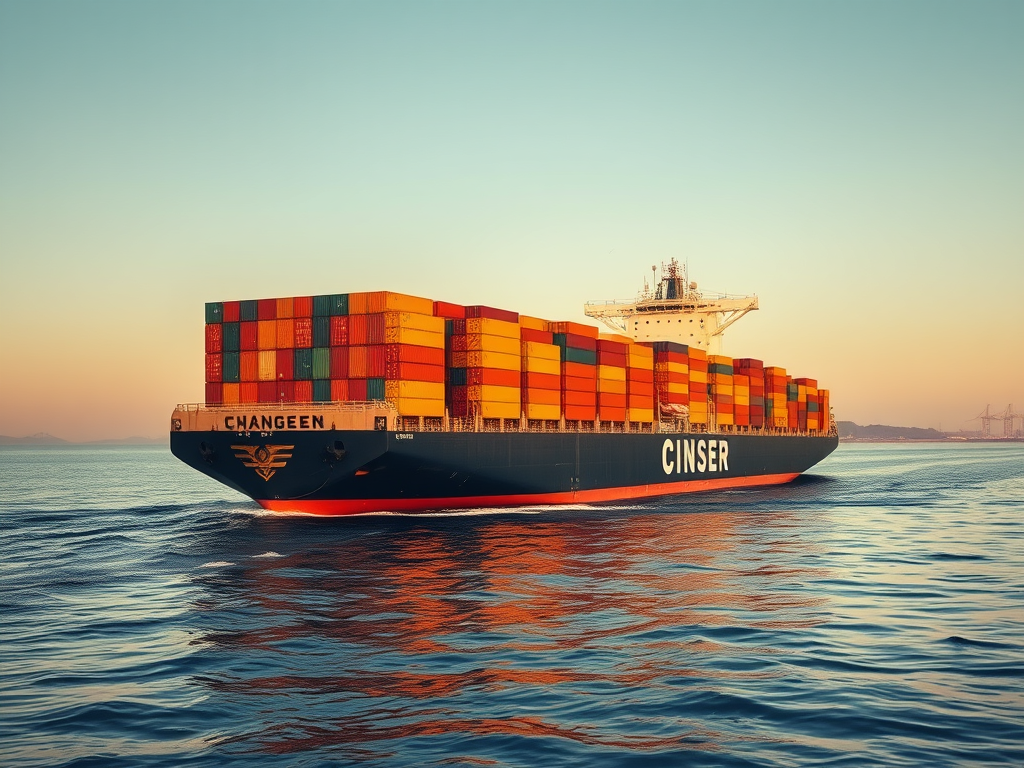
Analysts warn that the global container shipping sector is heading into several years of prolonged overcapacity, expected to peak around 2028. Despite weaker global demand, shipping companies continue placing large new vessel orders, potentially widening the imbalance between supply and demand.
In just the first half of this year, around 2.3 million TEU of new capacity has been ordered—only slightly lower than the 3.8 million TEU ordered in the second half of last year. The current global orderbook stands at nearly 9.6 million TEU, roughly 30% of the total existing fleet. Deliveries for 2028 alone are projected to reach 3.3 million TEU.
Interestingly, there’s been a marked increase in demand for smaller ships, with 74 sub-Panamax and regional vessels (under 4,000 TEU) ordered already this year—almost matching all of last year’s total in that category.
On the flip side, scrapping has almost come to a standstill. Only ten container ships were dismantled during the first half of 2025, compared to nearly 50,000 TEU’s worth of scrapping in the same period a year earlier. This contributes directly to the growing overcapacity problem.
Estimates show average global fleet growth will sit between 7–8% annually, while demand lags behind. Overcapacity is forecasted at 18% this year and could reach 27% per year by 2028 unless corrective measures like increased scrapping or slow steaming are introduced.
🌍 Wider Impact
This supply glut threatens to push freight rates even lower and pressure profit margins for shipping lines. While disruptions such as Red Sea rerouting have temporarily soaked up capacity, the structural imbalance remains. Analysts believe only significant demand growth or aggressive retirement of older tonnage can restore equilibrium.
🔍 Interesting Fact
Roughly one-third of all regional container feeders are now over 20 years old—a figure expected to rise to nearly 50% by 2030. Yet many of these older vessels remain in service, offering flexibility during times of global disruption despite contributing to chronic overcapacity.