
Iraq’s federal government has decided to resume oil exports from its semi-autonomous Kurdish region through the pipeline to Turkey’s Ceyhan terminal, ending a two-year hiatus. This move comes even as drone strikes have recently disrupted Kurdish oil production — cutting output in half during a wave of attacks.
Export activity will restart after an extended shutdown that sidelined around 140,000–150,000 barrels per day. While technical and political preparations are reportedly still underway, Baghdad has confirmed plans to re-open exports in its next notice cycle.
The oil pipeline deal is the outcome of renewed negotiations between Baghdad and Erbil, assisted by federal oversight and international advisement. A preliminary legal framework reportedly includes Kurdish oil companies funneling exports through the state-run pipeline in exchange for federal budget transfers and debt clearance.
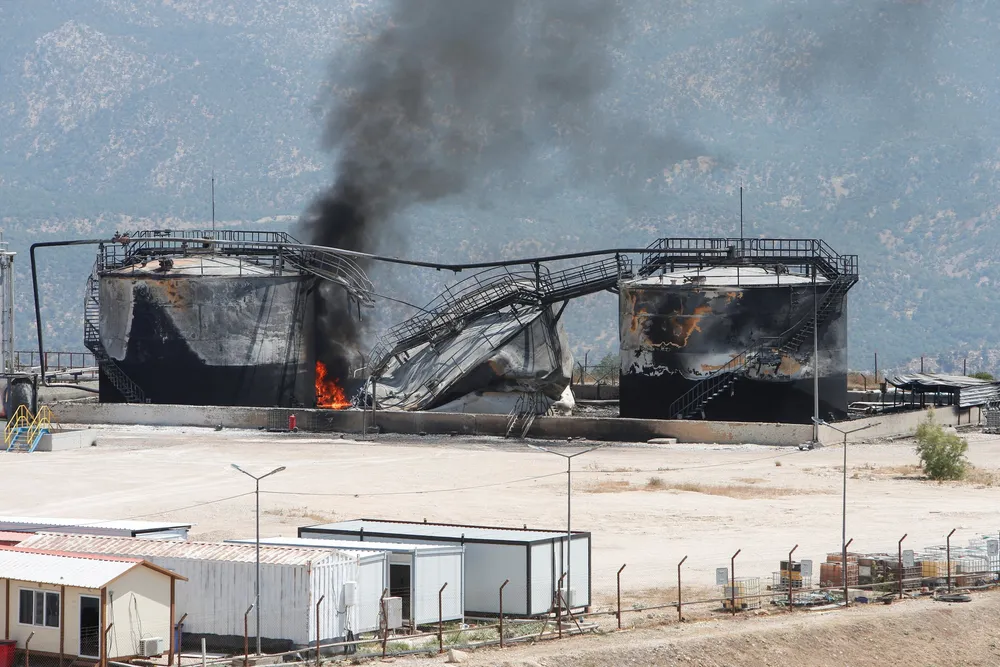
This milestone comes despite the recent shutdown of multiple northern oilfields due to drone incidents — suspected to involve Iran-aligned militias. While production halted across key facilities, Iraq’s southern oil terminals remain unaffected, helping stabilize national output.
🌍 Wider Impact
Reactivating the Kurdish export pipeline will restore hundreds of thousands of barrels per day to global markets, easing supply tightness accentuated by regional disruptions. The return of Kurdish flows may also strengthen Baghdad-Erbil cooperation and boost Iraq’s leverage in OPEC dialogues.
However, lingering security risks in northern fields pose a strategic challenge. Continued attacks and infrastructure sabotage threaten both pipeline operations and investor confidence, underscoring persistent geopolitical tension.
🔍 Interesting Fact
Even with pipeline flows offline, southern Iraq’s production has balanced national supply, masking northern output losses and keeping global oil prices relatively steady amid disruption uncertainties.