
Throughout modern history, some of the worst oil spills have changed how we navigate, regulate, and protect our oceans. These events devastated coastlines, killed wildlife, and spurred global reforms in shipping and drilling practices. Here’s a closer look at 15 of the biggest oil spills that left a lasting impact:
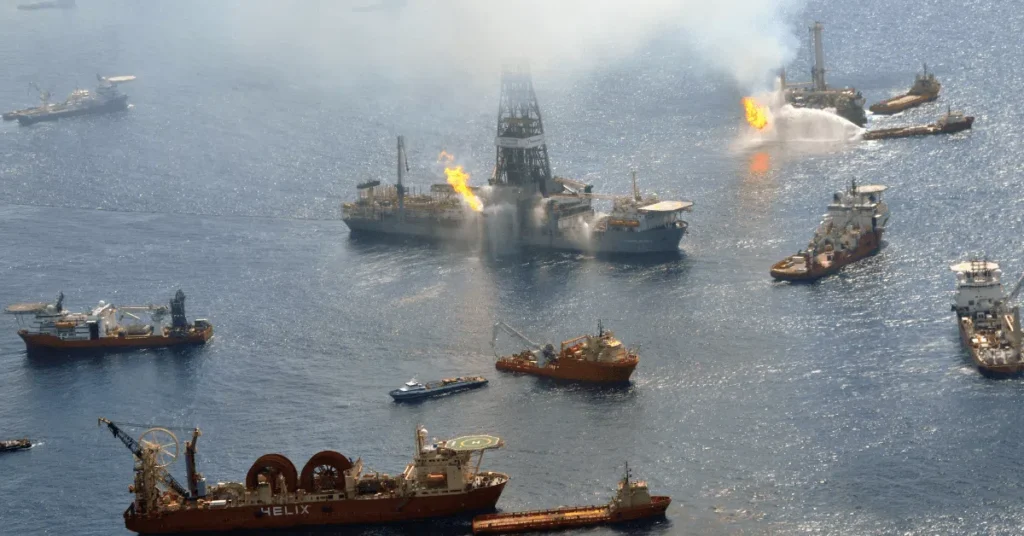
1️⃣ Deepwater Horizon (2010, Gulf of Mexico)
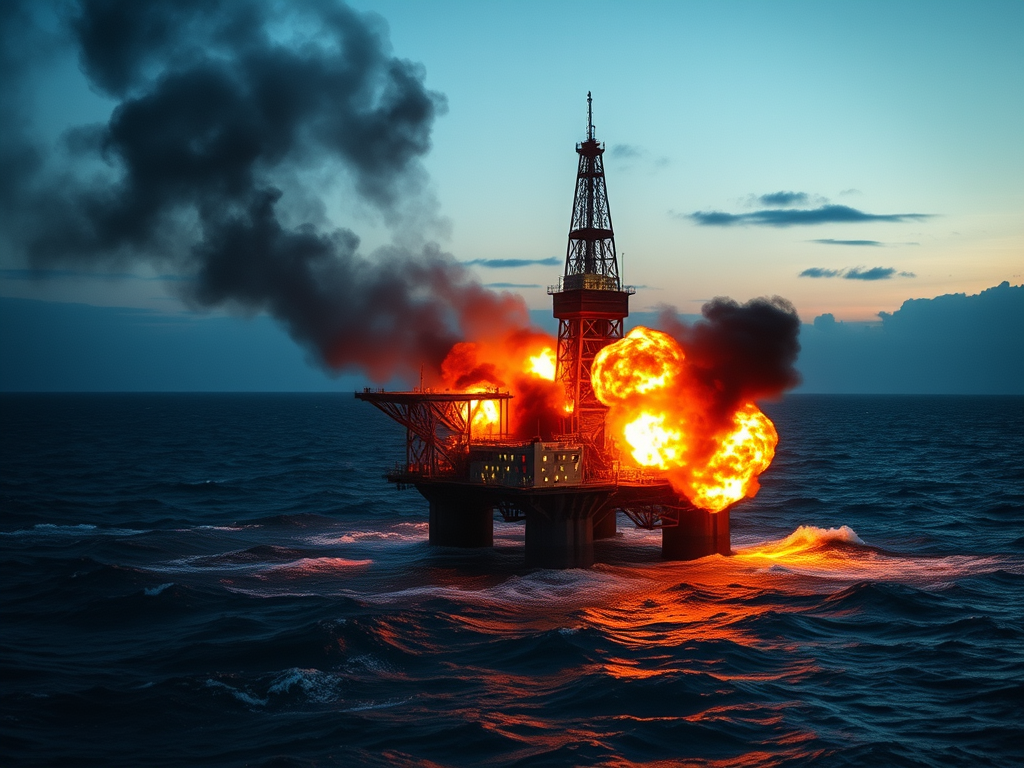
On April 20, 2010, the Deepwater Horizon offshore oil rig exploded and sank, releasing an estimated 4.9 million barrels of crude oil into the Gulf of Mexico over 87 days. The spill destroyed habitats, contaminated hundreds of miles of coastline, and killed countless marine animals. It remains the largest accidental oil spill in history and resulted in record-breaking penalties for BP and its partners, reshaping offshore drilling safety regulations worldwide.
2️⃣ Gulf War Oil Spill (1991, Persian Gulf)
Considered the largest oil spill caused by human conflict, the Gulf War spill happened when retreating Iraqi forces deliberately opened pipelines and dumped oil into the sea to slow coalition forces. Between 5–10 million barrels were released, turning vast areas of the Persian Gulf into a slick, toxic mess. Marine ecosystems, fisheries, and coastal communities suffered for years, and full ecological recovery remains elusive to this day.
3️⃣ Amoco Cadiz (1978, Brittany, France)
When the Amoco Cadiz tanker ran aground off the coast of Brittany, France, a storm caused the vessel to break apart. Over 220,000 tonnes (about 58 million gallons) of crude oil spilled into the sea, polluting more than 200 kilometers of coastline. The spill killed millions of marine creatures and seabirds, ruined shellfish fisheries, and led to landmark compensation claims and stricter liability rules for oil tanker operations.
4️⃣ Torrey Canyon (1967, UK Coast)
One of the first catastrophic oil spills to gain global attention, the Torrey Canyon struck rocks near Cornwall, spilling about 25–36 million gallons of oil. The British military resorted to bombing the wreck to burn off the oil, but the efforts proved only partly successful. This incident exposed just how unprepared the world was to handle massive oil spills and sparked the creation of some of the first international oil spill contingency plans.
5️⃣ Exxon Valdez (1989, Alaska)
On March 24, 1989, the Exxon Valdez tanker struck Bligh Reef in Prince William Sound, Alaska, spilling approximately 10.8 million gallons of crude oil into one of America’s most pristine ecosystems. Thousands of otters, seals, seabirds, and fish died. The disaster led to the U.S. Oil Pollution Act of 1990, requiring tankers to have double hulls and setting stricter response measures for spills.
6️⃣ Ixtoc I (1979, Gulf of Mexico)
This spill remains one of the world’s largest accidental offshore oil spills. The Ixtoc I exploratory well suffered a blowout, spewing about 140 million gallons into the Gulf of Mexico over nine months. Efforts to cap the well failed repeatedly, releasing oil that drifted hundreds of miles and reached Texas beaches, harming fisheries and tourism for years.
7️⃣ MV Braer (1993, Shetland Islands)
Caught in severe storms, the MV Braer oil tanker ran aground on the Shetland Islands, releasing nearly 85,000 tonnes of crude oil into icy waters. High winds helped disperse the oil, preventing it from clumping together, but the local marine life and livestock suffered heavy losses. The incident highlighted how remote areas can struggle with oil spill response during extreme weather.
8️⃣ Sea Empress (1996, Wales)
The Sea Empress spill occurred when the tanker hit rocks while entering the Milford Haven Waterway in Wales. Around 72,000 tonnes of crude oil leaked, coating local beaches and killing seabirds and marine species. Despite a massive clean-up effort, oil residues were found years later, prompting calls for better pilotage and port safety protocols.
9️⃣ Prestige (2002, Spain)
In November 2002, the Prestige oil tanker developed a structural failure in rough seas off the coast of Galicia, Spain. It broke apart and sank, leaking an estimated 63,000 tonnes of heavy fuel oil. Thick black oil slicks covered Spanish and Portuguese beaches, crippling fisheries and tourism. The disaster led to EU reforms banning single-hulled tankers from European waters.
🔟 Khark 5 (1989, Atlantic Ocean near Morocco)
This Iranian tanker suffered an explosion during rough weather, spilling about 70 million gallons of crude oil near the coast of Morocco. Despite salvage efforts, oil slicks drifted towards the Moroccan coastline, threatening sensitive fishing areas and prompting large-scale international clean-up operations.
1️⃣1️⃣ Aegean Sea (1992, Spain)
Just north of the Prestige spill site, the Aegean Sea oil tanker ran aground while trying to enter the port of La Coruña in bad weather. The spill of roughly 80,000 tonnes of oil polluted Galicia’s rugged coast once again, reinforcing the need for improved navigation aids and emergency towing services for tankers approaching ports.
1️⃣2️⃣ Katina P (1997, Mozambique)
When the Greek tanker Katina P sank off the Mozambique coast after hitting a reef, it spilled around 72,000 tonnes of heavy fuel oil. The spill devastated local fishing communities and coral reefs, showing that vulnerable coastal nations often lack the resources to cope with major maritime disasters.
1️⃣3️⃣ Jakob Maersk (1975, Portugal)
The Danish oil tanker Jakob Maersk exploded and caught fire after striking a sandbar near the port of Leixões, Portugal. About 88,000 tonnes of oil leaked into the sea, creating massive fires and oil slicks that washed ashore, affecting marine life and coastal tourism.
1️⃣4️⃣ Hebei Spirit (2007, South Korea)
The Hebei Spirit was struck by a crane barge that broke loose during a storm near Taean, South Korea. About 10,800 tonnes of crude oil spilled, blackening hundreds of kilometers of coastline and destroying oyster farms, seaweed beds, and local livelihoods. It became South Korea’s worst oil spill, sparking widespread community cleanup efforts.
1️⃣5️⃣ MV Wakashio (2020, Mauritius)
When the bulk carrier Wakashio ran aground on a coral reef near Mauritius, about 1,000 tonnes of fuel oil leaked into crystal-clear waters. The spill destroyed coral habitats, threatened rare wildlife, and led to massive volunteer cleanups. It highlighted how even relatively “small” spills can devastate biodiversity hotspots.
🔍 Interesting Fact
Many of these disasters led to life-changing reforms. For example, after Exxon Valdez, the U.S. made double-hull designs mandatory for new tankers — a move now adopted by many countries to reduce the risk of catastrophic leaks.