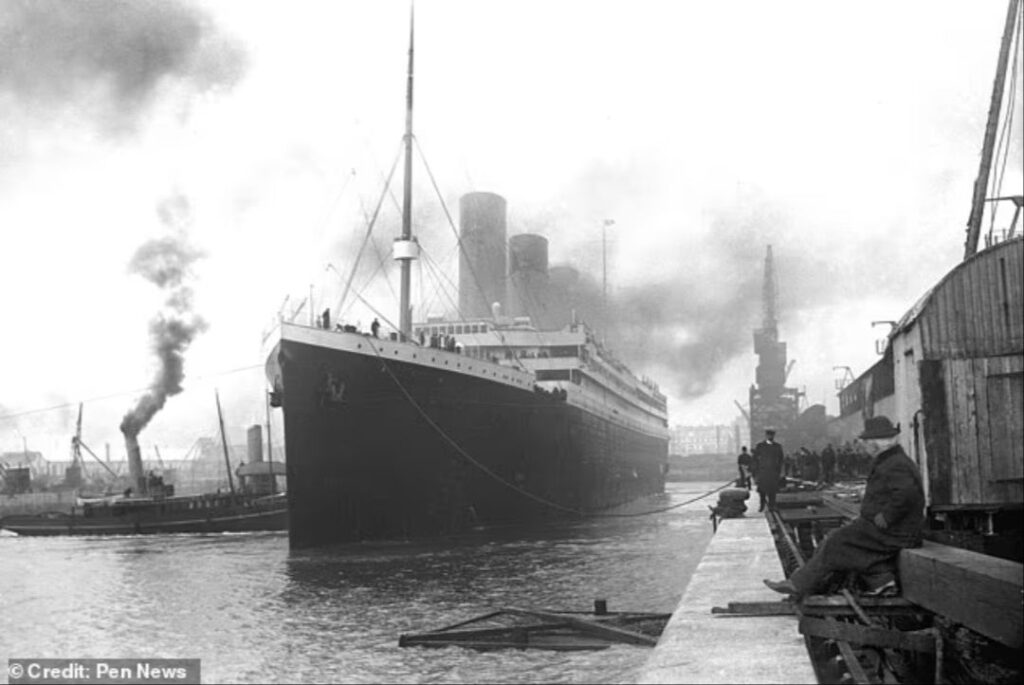

For over a century, the notion that the Titanic was widely hailed as “unsinkable” has endured—yet historical evidence tells a more nuanced story.
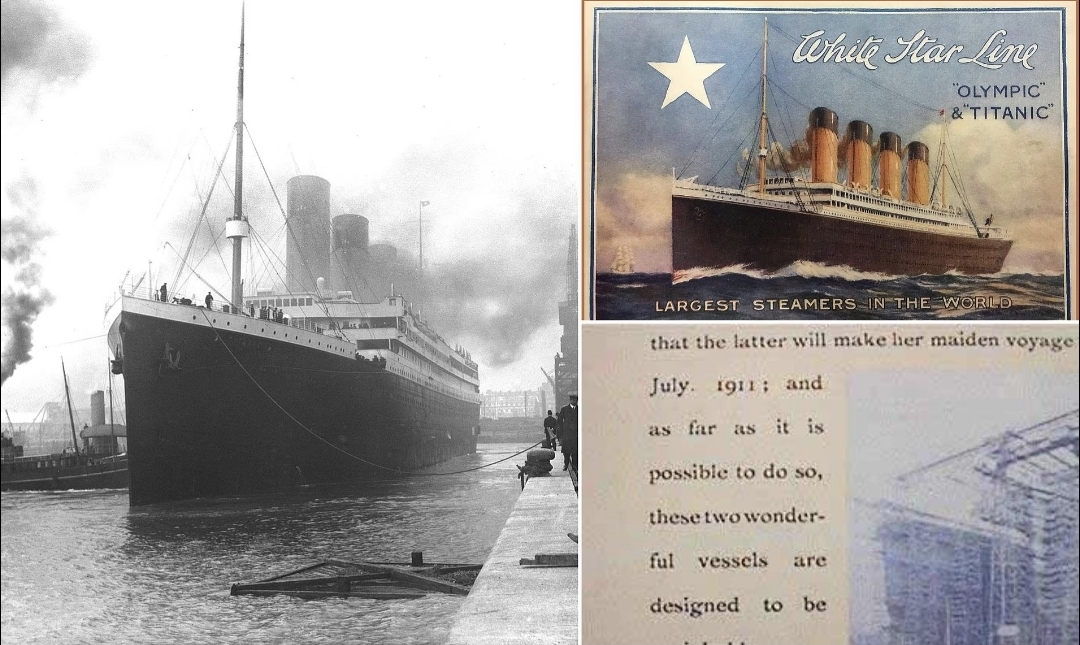
Prior to its maiden voyage, promotional materials described the ship as “practically unsinkable” or “designed to be unsinkable,” focusing on its advanced safety features like watertight compartments and remotely operated doors. These qualified phrases were more optimistic marketing than absolute claims. According to inquiries by maritime regulators, none of the shipbuilders or the White Star Line officially declared Titanic entirely unsinkable .
Still, many passengers and crew personally believed in its virtual invincibility. One leading passenger even predicted a catastrophe, suggesting some doubt existed among travelers .
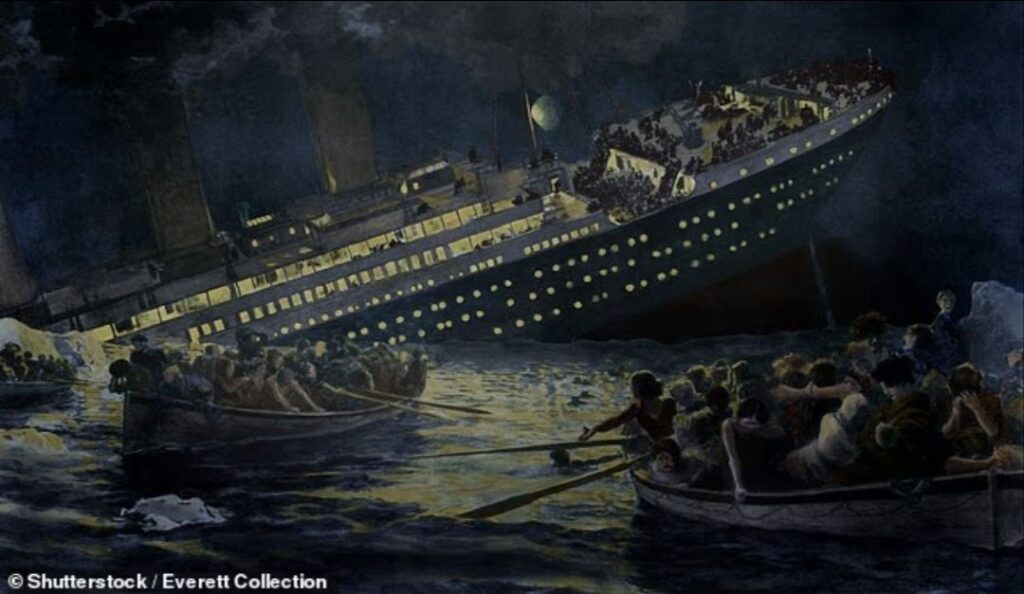
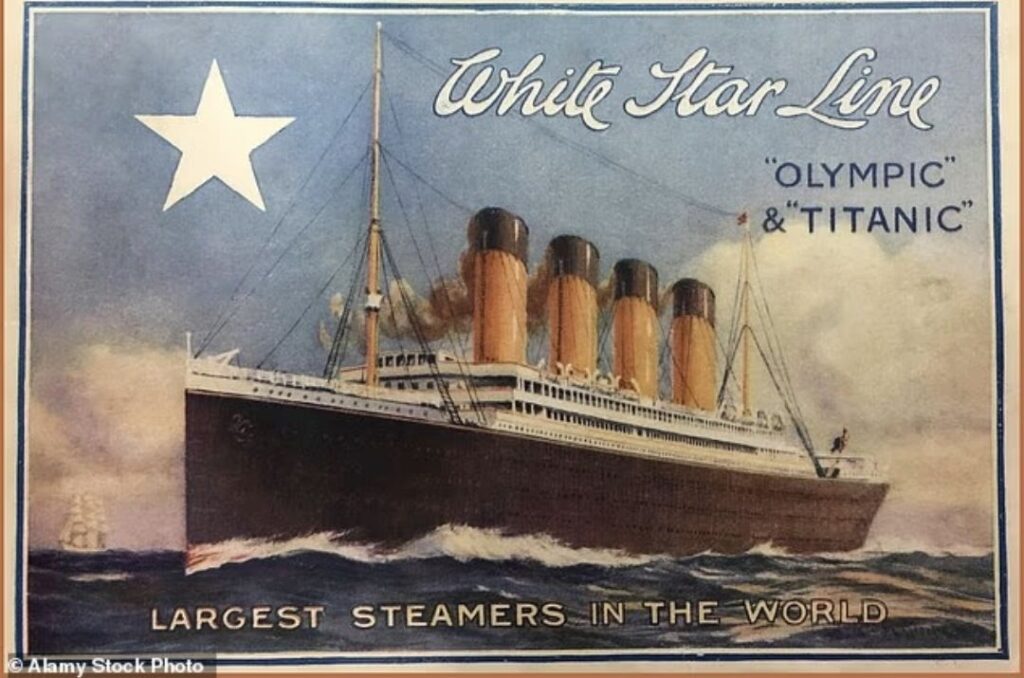

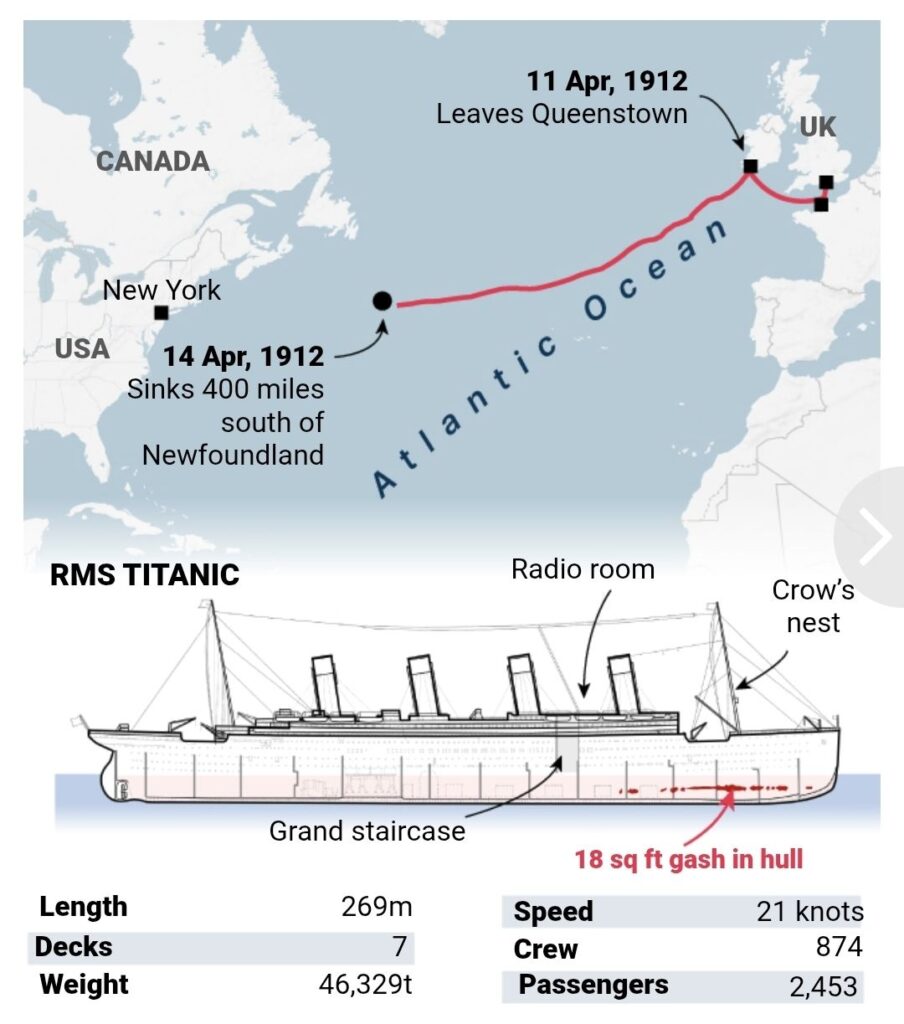
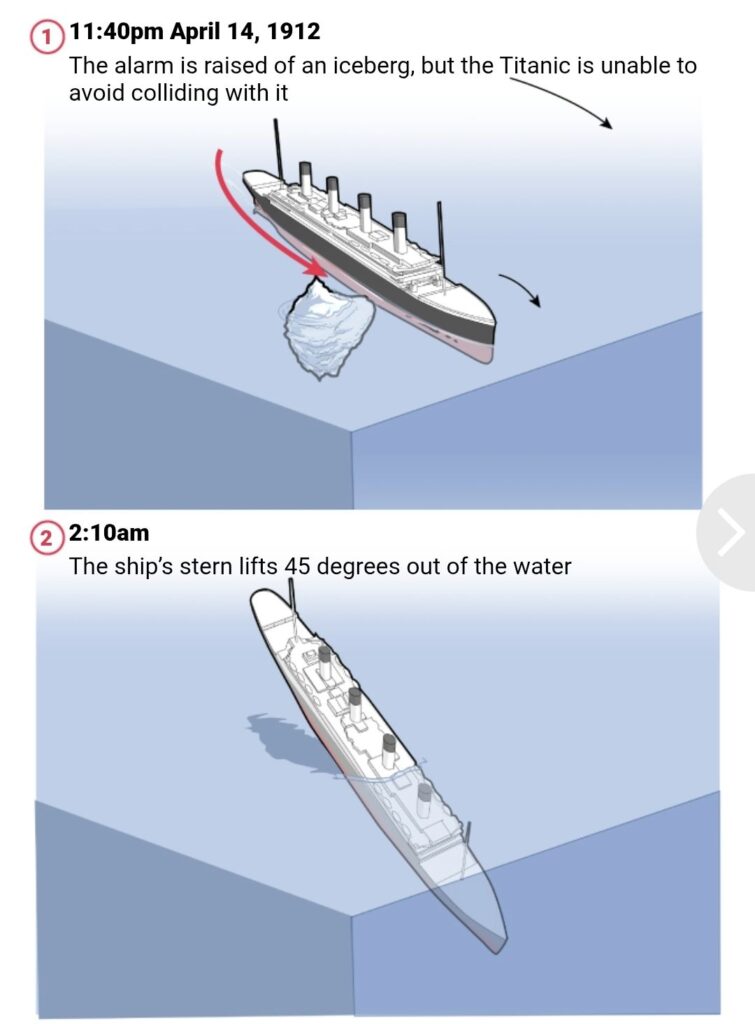
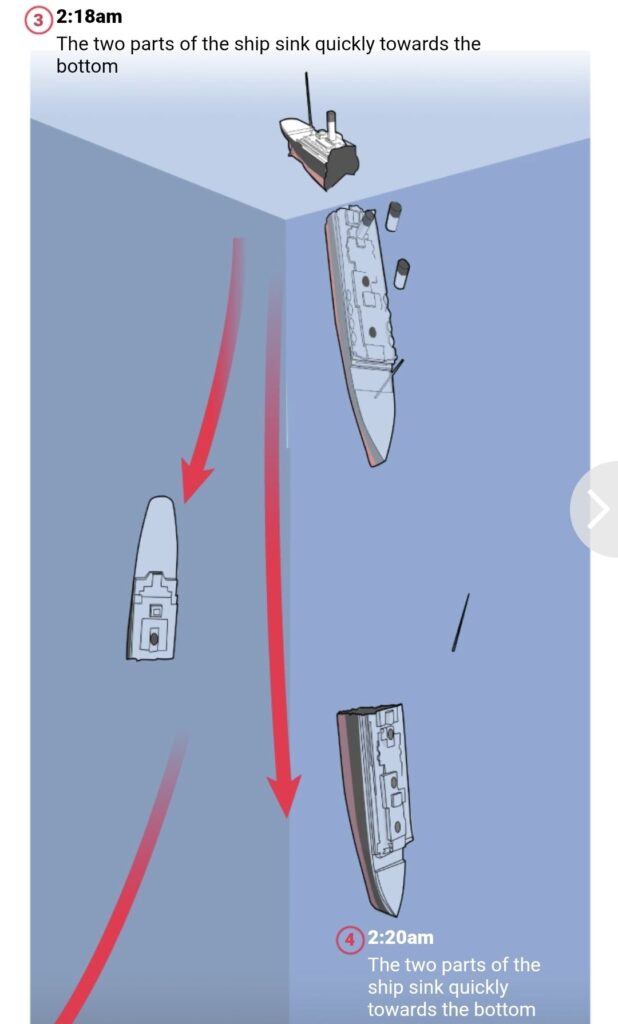
On April 14–15, 1912, Titanic struck an iceberg and sank in just under three hours, tragically disproving its supposed safety. The disaster claimed the lives of over 1,500 people and exposed critical flaws in design, such as insufficient lifeboats and lack of a double hull .
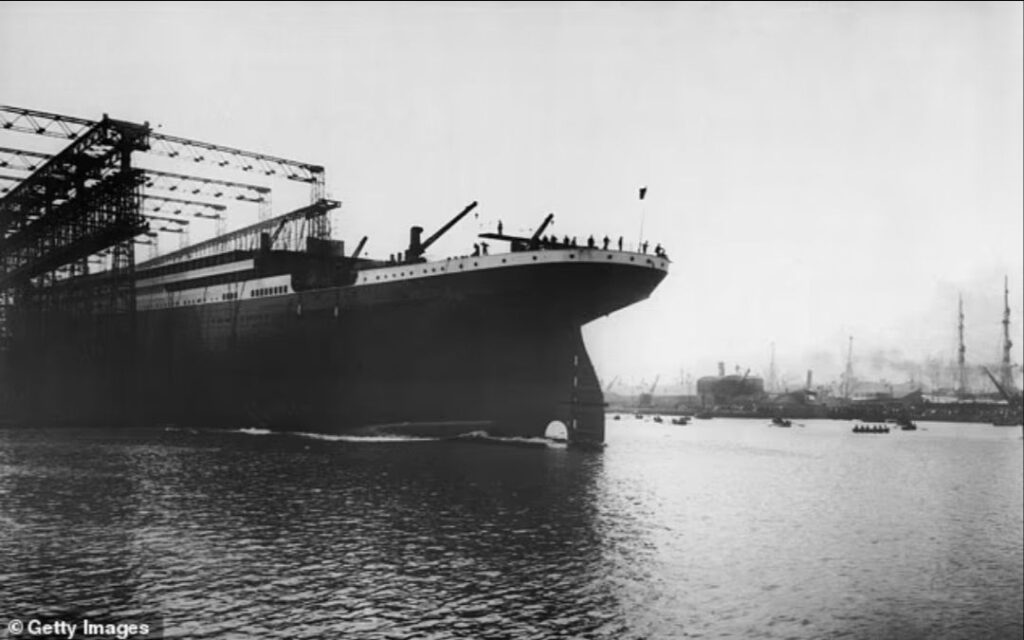
In the aftermath, both US and UK inquiries found that complacency and regulatory gaps—especially around lifeboat capacity and emergency preparedness—played a significant role in the high death toll. Their recommendations led to sweeping reforms: mandatory lifeboats for all aboard, continuous radio watches, and the establishment of an International Ice Patrol. Design standards evolved too, making double-hull and improved subdivision common in future shipbuilding .
—
🔍 Interesting Fact
The Titanic was built with sixteen watertight compartments equipped with remotely operated doors—a cutting-edge safety design for its time. However, the underlying steel was prone to brittleness in cold temperatures, and the ship could stay afloat only if no more than four adjacent compartments filled with water .