
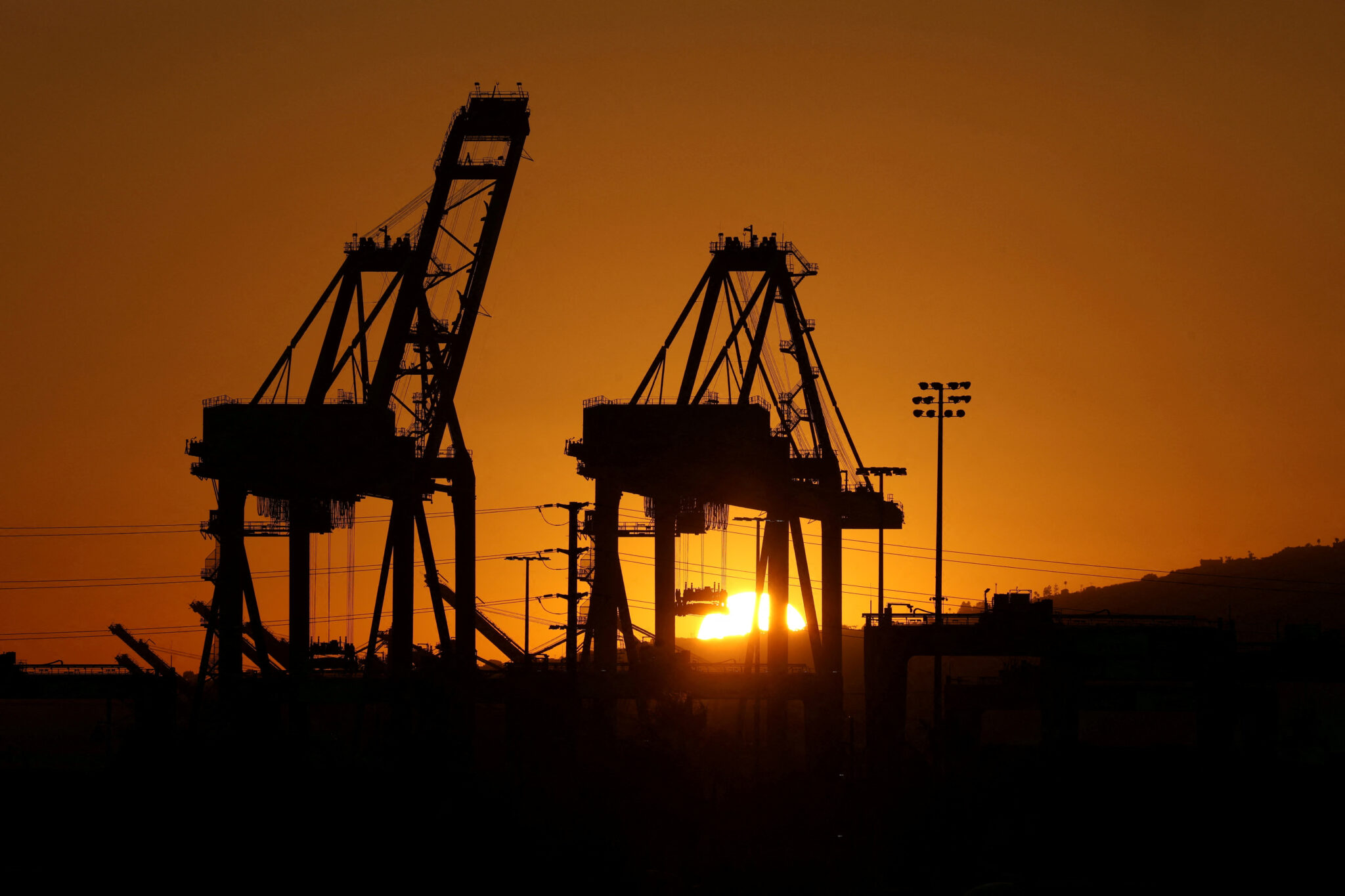
An important development is unfolding for the U.S. maritime logistics and port sector: American port operators are working to navigate the impact of significant new tariffs expected to be imposed on Chinese-built ship-to-shore cranes — a critical link in global container supply chains.
The Biden administration is moving to impose tariffs of up to 25% on cranes manufactured in China, citing concerns about national security and supply chain resilience. Many U.S. ports rely heavily on these large ship-to-shore gantry cranes to handle millions of containers each year, and China’s ZPMC (Shanghai Zhenhua Heavy Industries Co.) currently dominates the global market for these massive machines.
Port operators argue that the tariffs could dramatically increase costs for ports that are already under financial pressure to modernize, expand, and improve efficiency. New cranes can cost tens of millions of dollars each, and the supply chain for alternative suppliers is limited — potentially driving up prices and lengthening delivery times.
To mitigate the financial impact, operators and industry groups are lobbying for tariff exemptions, especially for cranes already ordered or contracted. They also emphasize the need to develop domestic manufacturing capabilities or source equipment from trusted alternative suppliers to strengthen the security and resilience of the U.S. maritime infrastructure in the long term.
This situation highlights the broader challenge of balancing supply chain security with the realities of a highly globalized maritime logistics sector. Cranes, containers, vessels, and port equipment are part of an interconnected system that keeps global trade flowing — but any disruption can send ripples through ports, cargo owners, and consumers alike.
🌍 Interesting fact:
Did you know that ZPMC, the Chinese company mentioned, manufactures about 70% of the world’s ship-to-shore container cranes? Most of the largest container terminals worldwide depend on these giants to handle cargo efficiently and safely.